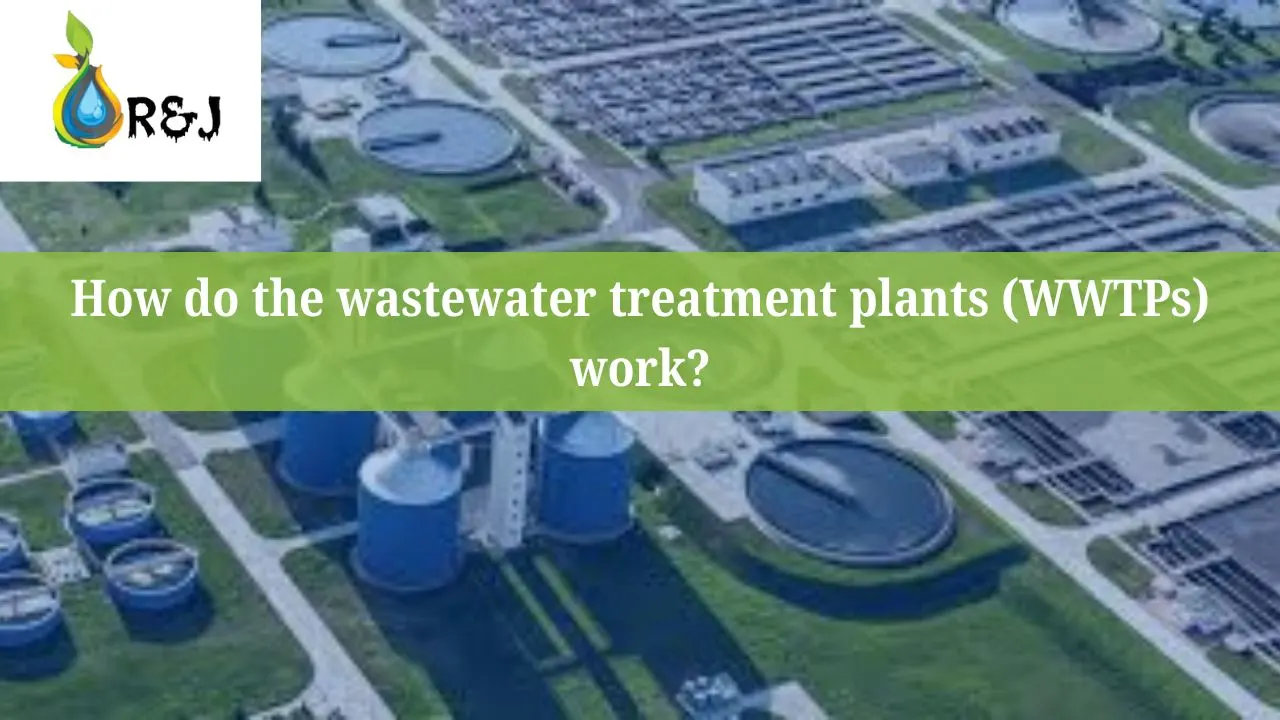
R&J Waste Water Treatment Organization has always focused on creating cleaner, safer, and more sustainable environments through advanced water purification technologies. One of the most essential systems supporting environmental protection today is the wastewater treatment plants. These plants help remove harmful contaminants, making water safe to release back into nature or reuse in various applications. Wastewater comes from homes, industries, hospitals, restaurants, and many other sources. This water contains dirt, chemicals, oils, food waste, plastics, and microorganisms. If released into rivers or land without treatment, it can cause pollution, diseases, and environmental damage.
At R&J Waste Water Treatment Organization, we offer modern wastewater treatment systems designed to clean water efficiently using scientific and eco-friendly processes.
Let’s understand the stages of how these plants work.
1. Collection and Screening Stage: The first step begins with collecting wastewater through pipelines from residential and industrial areas. Once the water reaches the plant, it passes through screens. These screens remove large solid materials like:
- Plastic bags
- Bottles
- Leaves
- Cloth pieces
- Paper and debris
Screening prevents damage to pumps and machinery in later stages.
2. Grit Removal: After screening, the water moves into a grit chamber. Here, heavier particles like sand, gravel, and small stones settle at the bottom. Removing grit is important because these particles can cause abrasion and wear in mechanical equipment inside wastewater treatment plants.
3. Primary Treatment — Settling of Solids: The wastewater flows into large tanks called primary clarifiers. Here, solid particles settle at the bottom forming “sludge,” while oils and grease float to the surface. The settled sludge is removed for further treatment, and the floating scum is skimmed off. The remaining water moves to the next stage. This process removes nearly 50–60% of total suspended solids, making it a crucial step.
4. Secondary Treatment — Biological Process: This is the heart of modern WWTPs. It involves using microorganisms (good bacteria) to break down organic matter in the water.
How it works:
- Air is pumped into large aeration tanks.
- The bacteria consume organic waste such as food particles, soap, oils, and sewage.
- The bacteria multiply and form “activated sludge,” which helps clean the water naturally.
This stage removes harmful contaminants and reduces pollution levels drastically. These processes enhance efficiency, reduce the plant’s footprint, and ensure high-quality treated water.
5. Secondary Clarification: Once the biological treatment is complete, the water moves to secondary clarifiers. Here, the activated sludge settles at the bottom.
- Some sludge is recycled back into the aeration tank to support bacterial growth.
- Extra sludge is removed for further processing.
The water at this stage is much cleaner and free from organic contaminants.
6. Tertiary Treatment — Advanced Purification: Not all wastewater treatment plants include tertiary treatment, but at R&J Waste Water Treatment Organization, we design systems that offer high-level purification when needed.
This stage includes processes like:
- Sand filtration
- Carbon filtration
- UV disinfection
- Ozonation
- Membrane filtration
Tertiary treatment removes:
- Remaining fine particles
- Pathogens (bacteria and viruses)
- Chemicals
- Nutrients like nitrogen and phosphorus
This makes the water safe for reuse in gardening, flushing, cooling towers, or discharge into nature.
Also Read : What are Ideal TDS Levels in Drinking Water for your Health
Applications of Wastewater Treatment Plants
- Municipal Sewage Treatment: Used by cities and towns to treat domestic wastewater from homes, apartments, hotels, and public buildings.
- Industrial Wastewater Treatment: Industries such as food processing, chemicals, textiles, pharmaceuticals, and manufacturing use WWTPs to remove harmful chemicals and pollutants.
- Agricultural Water Recycling: Treated water can be reused for irrigation in farms, reducing pressure on freshwater resources.
- Cooling and Process Water for Industries: Industries reuse treated wastewater for cooling towers, boilers, and other non-potable processes.
- Environmental Protection: WWTPs prevent pollution by ensuring clean water is safely discharged into rivers, lakes, and oceans.
- Greywater Recycling in Buildings: High-rise buildings and commercial complexes use treated greywater for flushing and gardening.
Why Wastewater Treatment Plants Are Important
- Protect public health
- Prevent water pollution
- Support clean rivers and oceans
- Reduce water scarcity through reuse
- Promote sustainable city development
At R&J Waste Water Treatment Organization, we are committed to supporting industries, municipalities, and communities by designing smart, efficient, and eco-friendly wastewater treatment plants that help build a cleaner future.
WWTPs play a vital role in cleaning used water and protecting the environment. From screening and biological treatment to disinfection and sludge processing, every stage ensures the water is purified and safe to return to nature. R&J Waste Water Treatment Organization proudly offer advanced wastewater treatment solutions that support sustainability, water reuse, and environmental protection.