R&J Waste Water Treatment Organization has long been committed to creating cleaner, safer water solutions for industries, municipalities, and communities. In today’s world, where water pollution is increasing due to rapid urbanization and industrial growth, understanding how a water treatment plant works and why it matters has become more important than ever.
what is water treatment plant
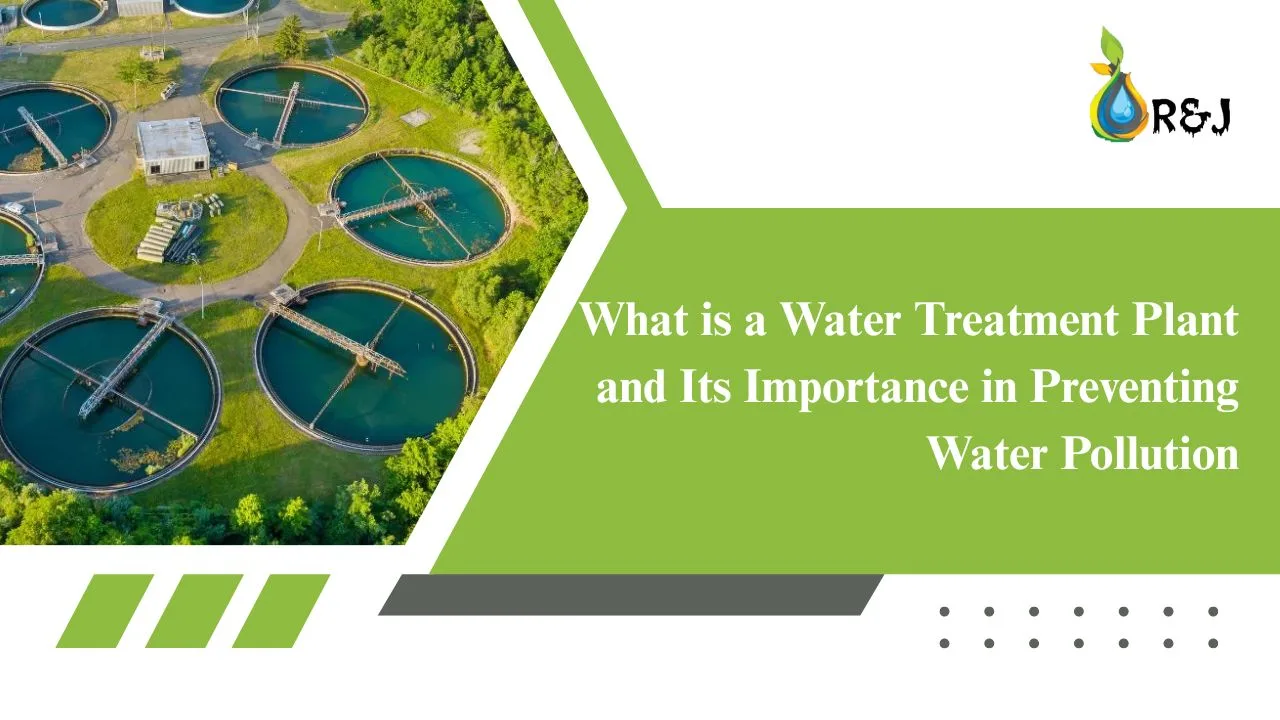
A water treatment plant is a facility designed to treat contaminated water and make it safe for reuse or discharge into the environment. The main purpose of a water treatment plant is to remove physical, chemical, and biological impurities from water so that it meets environmental and health standards.
Whether it is drinking water treatment or wastewater management, the role of a wtp water treatment plant is critical in protecting natural water bodies like rivers, lakes, and groundwater. A modern wtp plant uses a combination of processes such as screening, sedimentation, filtration, and disinfection to treat water effectively.
How a Water Treatment Plant Works
The working process of a water treatment plant involves multiple stages, each designed to remove specific contaminants:
1. Preliminary Treatment
Large solids, debris, and floating materials are removed through screens and grit chambers. This step protects equipment from damage and improves overall efficiency.
2. Primary Treatment
In this stage, suspended solids settle at the bottom through sedimentation. Oils and grease are skimmed off from the surface.
3. Secondary Treatment
Biological processes are used to break down organic matter. Microorganisms consume harmful pollutants, making the water significantly cleaner.
4. Tertiary Treatment
Advanced filtration and disinfection remove remaining impurities, nutrients, and pathogens. This stage ensures the treated water meets discharge or reuse standards.
Through these steps, a wtp water treatment plant helps prevent untreated wastewater from polluting the environment.
Importance of Water Treatment Plant in Preventing Water Pollution
Water pollution is one of the biggest environmental challenges today. A properly designed wtp plant plays a major role in controlling and preventing this issue.
1. Protecting Natural Water Resources
Untreated wastewater released into rivers and lakes can destroy aquatic life. A water treatment plant ensures pollutants are removed before discharge, protecting ecosystems and biodiversity.
2. Safeguarding Public Health
Polluted water can carry harmful bacteria, viruses, and chemicals. By treating wastewater efficiently, a wtp water treatment plant reduces the risk of waterborne diseases and protects human health.
3. Supporting Sustainable Water Reuse
Treated water can be reused for irrigation, industrial processes, and landscaping. This reduces pressure on freshwater resources and promotes sustainable water management.
4. Compliance with Environmental Regulations
Industries and municipalities must follow strict pollution control norms. Installing a reliable wtp plant helps organizations meet regulatory requirements and avoid penalties.
Also Read : Sewage treatment plant: Understanding the basics of STP technology
Types of Water Treatment Plants
There are different types of water treatment plant systems, depending on the application:
- Municipal Water Treatment Plants for treating drinking water and sewage
- Industrial WTP Plants for treating process and effluent water
- Effluent Treatment Plants (ETP) for industrial wastewater
- Sewage Treatment Plants (STP) for domestic wastewater
Each wtp water treatment plant is customized to handle specific contaminants and flow capacities.
Why choose R&J Waste Water Treatment Organization
R&J Waste Water Treatment Organization designing reliable and efficient water treatment solutions. Our company offers advanced water treatment plant systems that are tailored to meet the needs of various industries and local bodies. From small-scale wtp plant installations to large industrial projects, our expertise ensures long-term performance and compliance with environmental standards. Our team understands that every client has unique water challenges, so we provide customized designs that ensure maximum treatment efficiency.
Environmental and Economic Benefits
Installing a water treatment plant is not just an environmental responsibility but also an economic advantage:
- Reduces water procurement costs through reuse
- Lowers environmental damage and cleanup expenses
- Enhances corporate social responsibility image
- Ensures long-term sustainability
A well-maintained wtp water treatment plant becomes a valuable asset for any organization.
A water treatment plant is essential for preventing water pollution and protecting our environment. By treating wastewater effectively, a wtp plant safeguards public health, preserves natural resources, and supports sustainable development. R&J Waste Water Treatment Organization plays a crucial role in this mission, as we provide innovative and reliable wtp water treatment plant solutions.