
R&J Waste Water Treatment Organization plays an important role in helping industries, residential societies, and commercial establishments manage wastewater in a safe and sustainable manner. Sewage Treatment Plant technology not only helps in treating wastewater but also makes it reusable, reducing environmental impact and conserving water resources. We understand these challenges and work to offer efficient STP Plant that meet regulatory standards while being cost-effective and reliable.
What Is Sewage Treatment Plant
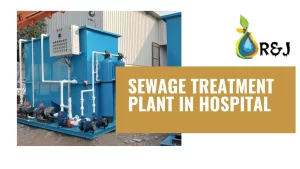
A sewage treatment plant is a system designed to treat wastewater generated from households, industries, offices, hospitals, and commercial buildings. The main purpose of an stp plant is to remove contaminants, organic matter, and harmful microorganisms from sewage, making the water safe for disposal or reuse. The treated output, commonly known as stp treated water, can be reused for gardening, flushing, cooling systems, and other non-potable purposes.
How an STP Plant Works
The functioning of an stp plant generally involves three main stages:
- Primary Treatment: In this stage, large solids, debris, and floating materials are removed from sewage through screening and sedimentation. This helps reduce the load on further treatment processes.
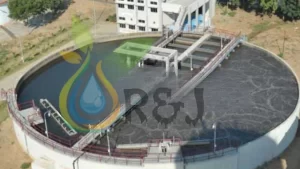
- Secondary Treatment: This is the most important stage where biological treatment takes place. Microorganisms break down organic matter present in the wastewater. This process significantly improves water quality and converts sewage into usable stp water.
- Tertiary Treatment: In advanced systems, tertiary treatment is used to further polish the water. Filtration and disinfection remove remaining impurities and pathogens, resulting in high-quality stp treated water suitable for reuse.
Uses of STP Treated Water
One of the biggest advantages of installing a sewage treatment plant is water reuse. STP treated water can be used for:
- Landscape irrigation and gardening
- Toilet flushing in residential and commercial buildings
- Cooling towers in industries
- Construction activities
- Cleaning and washing purposes
By reusing stp water, organizations can significantly reduce fresh water consumption and operational costs.
Types of STP Technology
Different STP technologies are available depending on capacity, space availability, and water quality requirements. Common technologies include:
- Activated Sludge Process (ASP)
- Moving Bed Biofilm Reactor (MBBR)
- Sequencing Batch Reactor (SBR)
- Membrane Bioreactor (MBR)
R&J Waste Water Treatment Organization evaluates site conditions and requirements to offer the most suitable STP technology for each project.
Also Read : What Are the Properties of Demineralized Water and How Can It Benefit Your Plant?
Why STP Technology Is Important
Untreated sewage can cause serious environmental and health problems. When wastewater is released directly into water bodies, it leads to pollution, spread of diseases, and damage to aquatic life. A properly designed sewage treatment plant helps prevent these issues by treating wastewater before discharge.
R&J Waste Water Treatment Organization understands these challenges and works to offer efficient STP solutions that meet regulatory standards while being cost-effective and reliable.
Understanding the basics of STP technology is essential for anyone involved in infrastructure development, facility management, or environmental planning. A well-designed sewage treatment plant helps protect the environment, conserve water, and ensure regulatory compliance.
R&J Waste Water Treatment Organization continues to support sustainable water management by delivering reliable and efficient STP solutions. With the ability to provide advanced treatment systems, the organization helps transform wastewater into valuable stp treated water, contributing to a cleaner and more sustainable future.