R&J Waste Water Treatment Organization has always believed that clean and safe drinking water is a basic need for every individual. With growing pollution, industrial discharge, and changes in water sources, the quality of water reaching our homes is not always ideal. The TDS water quality gives us a clear picture of how pure or contaminated the water is. A higher TDS level often indicates the presence of harmful elements like lead, arsenic, fluoride, nitrates, and industrial chemicals. At our organization, we offer modern solutions to ensure your drinking water stays safe, pure, and healthy.
What Are TDS Levels in Water?
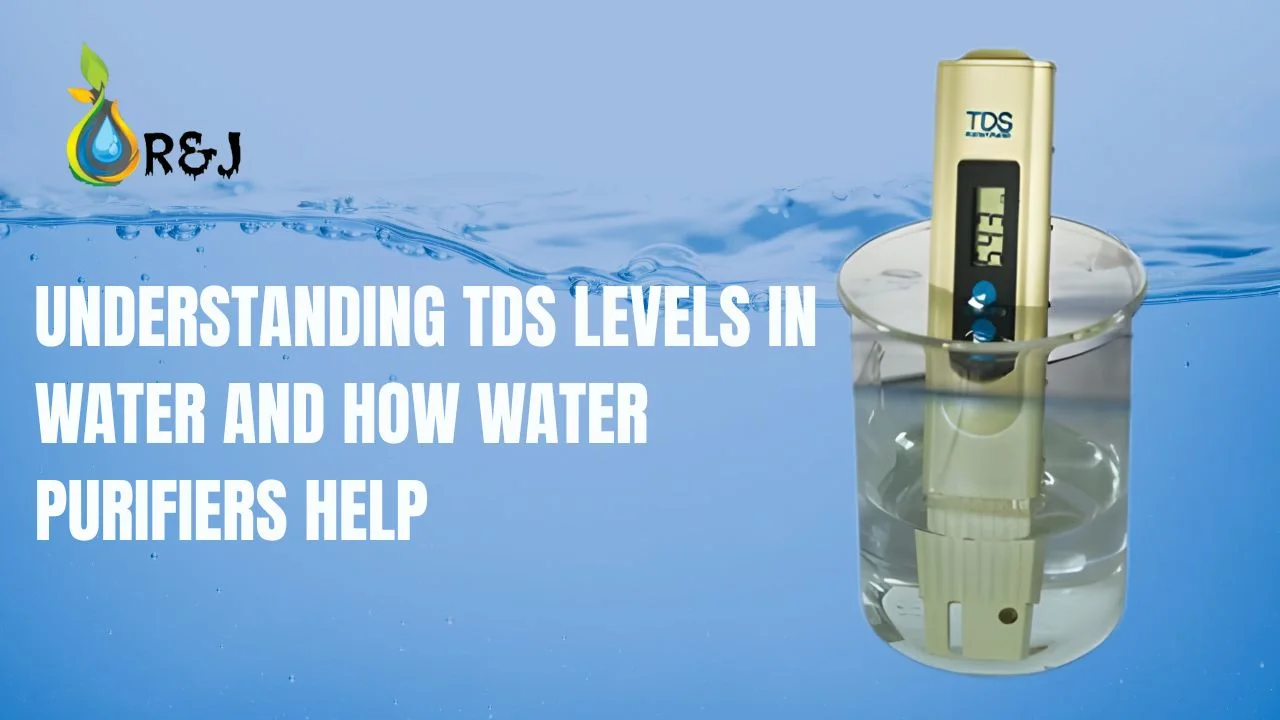
TDS stands for Total Dissolved Solids, which refers to the amount of organic and inorganic substances present in water. These substances include minerals, salts, metals, ions, and small particles that dissolve into the water as it travels through pipelines, soil layers, and storage tanks. Although some minerals in water are beneficial for health, extremely high TDS levels can negatively affect both taste and safety.
Common sources of TDS include:
- Natural minerals from rocks and soil
- Industrial discharge
- Agricultural runoff
- Municipal supply lines
- Contaminants from a wastewater treatment plant
Safe Drinking Water TDS Limit
Different health organizations recommend various standards, but the general drinking water TDS limit for safe consumption is:
- Below 300 ppm – Excellent quality
- 300–600 ppm – Good quality
- 600–900 ppm – Fair
- 900–1200 ppm – Poor
- Above 1200 ppm – Not suitable for drinking
Water with high TDS often tastes salty, metallic, or bitter. It may also cause scaling in pipes, stains on utensils, and health concerns if consumed for a long time. This is where water purification systems play an important role.
Also Read : How do the wastewater treatment plants (WWTPs) work?
Why Does TDS Matter?
Understanding TDS matters because it directly affects:
- Taste of water
- Health and safety
- Performance of home appliances
- Long-term water usage habits
How Water Purifiers Help Maintain Ideal TDS Levels
Modern water purifiers, especially RO-based systems, are designed to control the TDS in water purifier output. The Reverse Osmosis (RO) membrane filters out unwanted dissolved solids and contaminants while retaining essential minerals.
1. RO Technology – Ensuring Safe RO Water TDS Level: RO water purifiers use a semi-permeable membrane that removes up to 90–95% of dissolved salts, heavy metals, and chemicals. The ideal RO water TDS level is usually between 50 to 150 ppm, depending on the input water quality and individual health requirements.
This range ensures that the water is clean, free from harmful contaminants, and still contains necessary minerals for consumption.
2. TDS Controller – Balancing the Minerals: Some RO systems come with TDS controllers. These devices adjust the final TDS so that the water does not become “too pure” or “mineral-deficient.” A TDS controller ensures:
- Balanced mineral content
- Healthy taste
- Better hydration
3. UV and UF Technology – Extra Protection: While RO handles dissolved solids, UV and UF technology provide additional purification. UV eliminates harmful microorganisms, and UF helps remove suspended impurities. Together, they create a multi-stage purification system ideal for Indian water conditions.
How R&J Waste Water Treatment Organization Helps You
At R&J Waste Water Treatment Organization, we understand that every household has different water sources and different purification needs. We offer customized water purification systems designed to maintain the perfect tds water quality.
We ensure:
- High-quality RO, UV, and UF water purification systems
- Professional installation and maintenance services
- Expert guidance on ideal TDS levels
- Water testing and analysis
- Long-lasting equipment built for Indian conditions
Our team works with a human touch, understanding your concerns, preferences, and budget. We believe in not just selling products but genuinely helping families consume safe, healthy water every day.
TDS levels play a vital role in determining the quality and safety of drinking water. Understanding the drinking water TDS limit helps you choose the right purification technology. Modern purifiers, especially RO systems, maintain ideal RO water TDS level and ensure clean, mineral-balanced water for daily use. R&J Waste Water Treatment Organization is committed to helping you achieve the best tds water quality. We continuously offer trusted solutions so you can enjoy pure, refreshing, and healthy water without worry. If you want expert advice or a customized purification system, we are always here to support you with dedication.