RJ Waste Water Treatment Organization has been actively supporting industries by delivering reliable and efficient water treatment solutions. One of the most essential systems used across various industrial sectors is the water softener plant. A softener plant removes hardness-causing minerals from water, making it suitable for industrial use. By treating hard water, industries can protect their equipment and ensure smooth production processes.
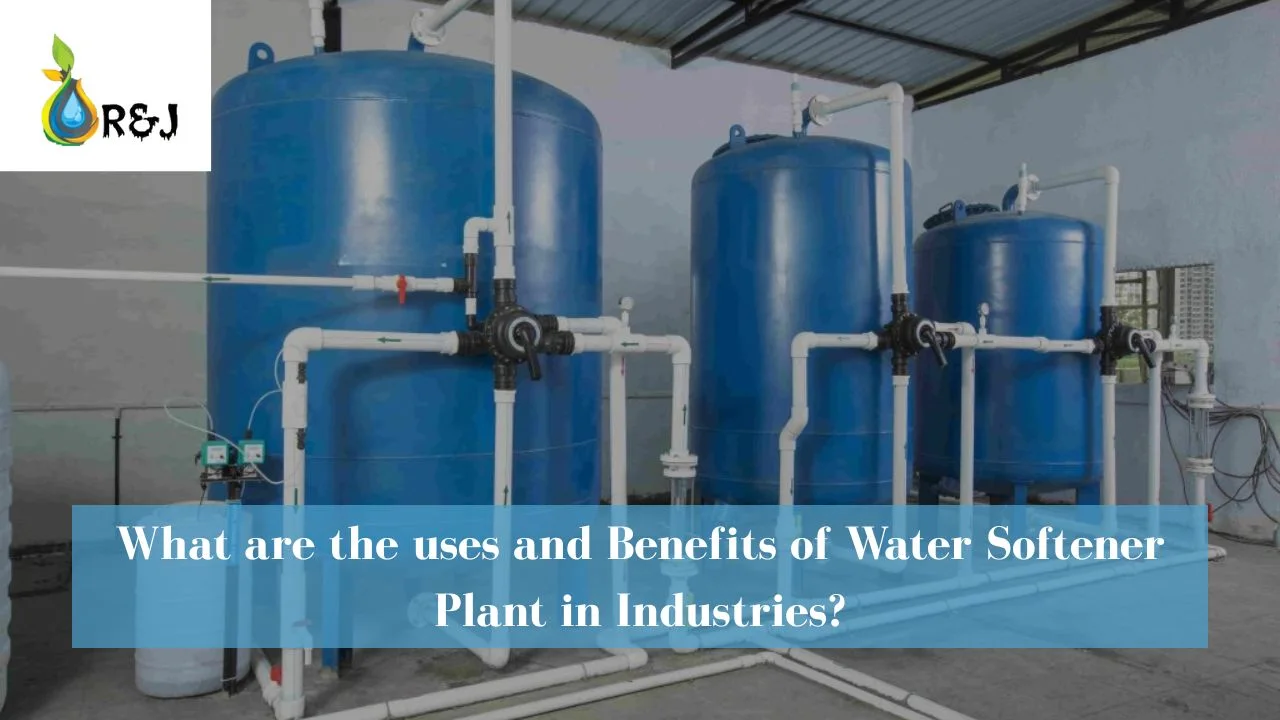
A water softener plant is a treatment system that uses ion exchange technology to remove calcium and magnesium ions from water. In this process, hard water passes through a resin bed that exchanges hardness ions with sodium ions, resulting in softened water. Many people also refer to it as a softener plant, especially in industrial settings.
Softener Plant Working
Understanding softener plant working helps industries appreciate its importance. When hard water enters the system, it flows through a vessel filled with resin beads. These beads attract calcium and magnesium ions and release sodium ions in exchange. Once the resin becomes saturated with hardness minerals, the plant goes through a regeneration cycle. This automated process ensures continuous availability of soft water for industrial operations. RJ Waste Water Treatment Organization designs systems that offer smooth operation, easy regeneration, and reliable performance even under heavy usage.
Uses of Water Softener Plant in Industries
The water softener uses in industries are wide-ranging and critical. Some key industrial applications include:
- Boilers and Steam Generation: Hard water causes scale buildup inside boilers, reducing efficiency and increasing fuel consumption. A water softener plant ensures scale-free operation and extends boiler life.
- Cooling Towers: In cooling systems, hard water leads to scaling on heat exchanger surfaces. Using softened water improves heat transfer efficiency and reduces maintenance downtime.
- Manufacturing and Processing Units: Industries such as textiles, pharmaceuticals, food processing, and chemicals require soft water to maintain product quality and consistency.
- Laundry and Hospitality Industries: Soft water improves detergent efficiency, reduces fabric damage, and ensures better cleaning results.
- RO and DM Plant Pretreatment: A softener plant is often used as a pretreatment system for RO and DM plants to protect membranes and resins from scaling.
Also Read : What is a Demineralization Water Treatment Plant
Benefits of Using a Water Softener Plant
- Increased Equipment Life: By preventing scale formation, a water softener plant protects pipes, valves, and machinery, significantly increasing their lifespan.
- Energy Savings: Scale acts as an insulator, increasing energy consumption. Softened water improves heat transfer efficiency, leading to lower power and fuel costs.
- Reduced Maintenance Costs: Less scaling means fewer breakdowns and lower maintenance expenses. Industries experience less downtime and smoother operations.
- Improved Product Quality: In industries where water quality directly affects the final product, using soft water ensures consistency and better output quality.
- Eco-Friendly Operations: Efficient water usage and reduced chemical cleaning make the softener plant an environmentally responsible choice.
Why Industries Trust RJ Waste Water Treatment Organization ?
RJ Waste Water Treatment Organization understands the unique water challenges faced by different industries. Our expertise lies in designing and supplying customized softening solutions that match specific operational requirements. We provide water softener plants that are durable, easy to maintain, and energy-efficient. With a focus on quality components and advanced design, RJ Waste Water Treatment Organization ensures reliable performance and long-term value for industrial clients.
A water softener plant is no longer a luxury but a necessity for industries that rely on consistent water quality and uninterrupted operations. By understanding softener plant working and the wide range of water softener uses, industries can effectively prevent scale formation, reduce maintenance costs, and improve overall efficiency. RJ Waste Water Treatment Organization continues to support industrial growth by delivering solutions that offer reliable performance, durability, and long-term value. Investing in the right softener plant not only enhances operational efficiency but also promotes sustainable and cost-effective water management for the future.