R&J Waste Water Treatment Organization is a trusted name in water treatment solutions, helps individuals and industries achieve the right water quality. We provide advanced systems and guidance to maintain the water purity level required for safe and healthy drinking water. Understanding the best TDS level for drinking water can help you choose the right filtration system and ensure your family’s health. These solids include minerals, salts, and organic matter that dissolve in water. While some minerals are beneficial, excessively high TDS can affect taste, safety, and overall health.
TDS indicates how many dissolved substances exist in water, measured in parts per million (ppm). These substances may include calcium, magnesium, potassium, sodium, bicarbonates, and trace organic particles. Some amount of TDS is beneficial because it enhances the taste and provides essential minerals. However, too much or too little TDS may harm water quality.
How Much PPM Is Good for Drinking Water?
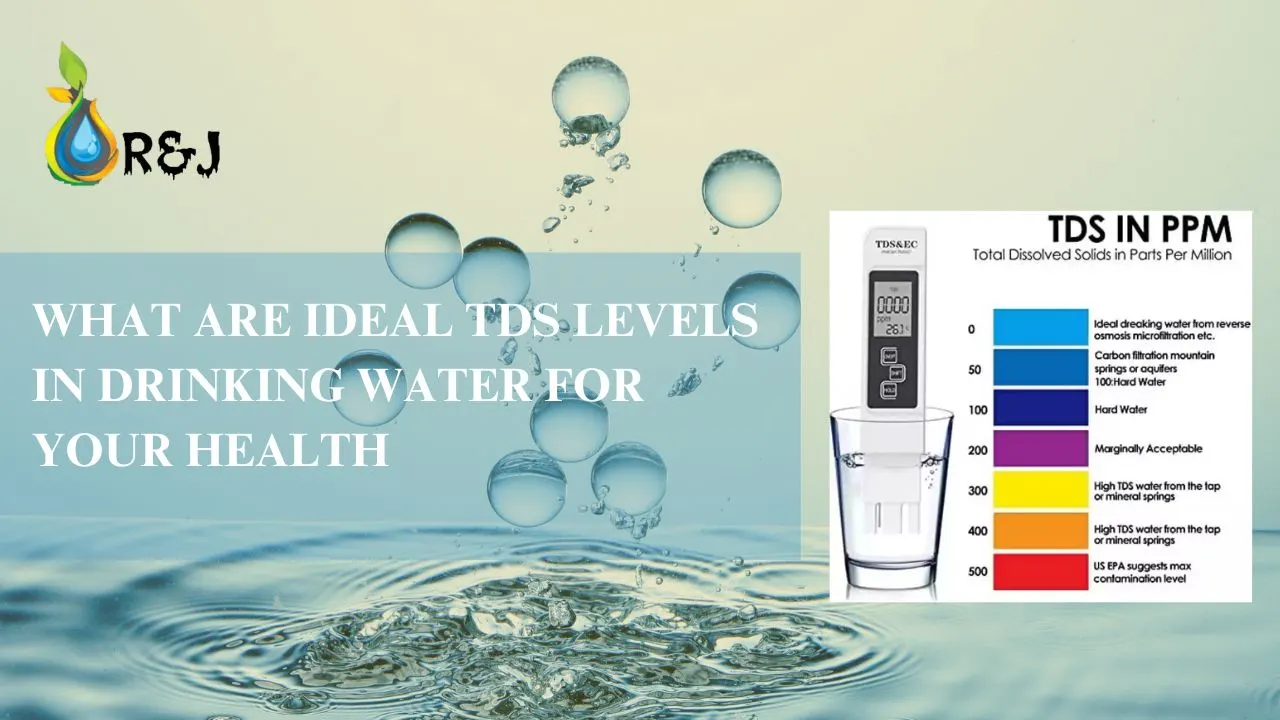
Choosing the ideal TDS level is essential because it affects digestion, hydration, and overall health. Health organizations suggest the following ideal range:
- 50–150 ppm – Excellent for drinking
- 150–300 ppm – Good and acceptable
- 300–500 ppm – Fair, but treatable
- Above 500 ppm – Requires filtration before drinking
The best TDS level for drinking water typically falls between 50 to 150 ppm, as this range contains beneficial minerals without affecting taste or safety.
Also Read : What Are Water Softeners & How Do They Work?
Bottled Water TDS Chart: Understanding Labels
Consumers often compare water brands using a bottled water TDS chart, which shows the TDS levels of various bottled waters. For example:
- Some premium brands have TDS around 50–90 ppm, ideal for daily drinking.
- Mineral water brands may range between 150–250 ppm because they intentionally retain natural minerals.
- High-TDS water (above 300 ppm) is usually avoided for drinking unless naturally sourced and balanced.
A bottled water TDS chart helps you select water that matches your health needs. R&J Waste Water Treatment Organization guides customers on interpreting these values and choosing the safest options.
Why TDS Matters for Your Health
- Mineral Balance: Balanced TDS ensures your body gets essential minerals such as calcium and magnesium.
- Improved Hydration: Water with the ideal TDS range hydrates your body better than extremely low or high TDS water.
- Better Taste: Moderate TDS enhances the taste naturally, making water more enjoyable.
- Avoiding Toxicity: Water with excessive TDS may contain harmful heavy metals or chemicals that affect health.
How R&J Waste Water Treatment Organization Helps You Maintain Ideal TDS
As experts in water purification, R&J Waste Water Treatment Organization provides customized solutions to achieve the ideal TDS range in drinking water. They offer and provide:
- RO systems with mineral controllers
- UV and UF filtration units
- TDS balancing systems
- Installation and maintenance services
- Expert consultation
Our systems ensure that your drinking water remains safe, healthy, and tastes pleasant.
The best TDS level for drinking water is essential for ensuring good health and safe hydration. While TDS contributes to taste and mineral balance, maintaining it within the ideal range is crucial. With the help of a bottled water TDS chart, you can better understand water quality. Remember that the minimum TDS for drinking water should remain above 50 ppm to retain healthy minerals.
R&J Waste Water Treatment Organization continues to support families and industries by maintaining the right water purity level through advanced purification solutions. We truly offer clean, mineral-rich, and safe drinking water that supports a healthy lifestyle.